What Is Dehradun Famous For? 12 Things the Doon Valley Does Best
Basmati with a protected pedigree, bakery rusk that travels in NRI suitcases, India's most famous school, a Raj-era institute the size of a small town: the dozen things that made Dehradun's name.
Sanchit · Starfish Homestays · 25 August 2026 · 3 min read
In short
Dehradun is famous for Dehraduni basmati rice, its bakery rusk, June litchis, elite schools like The Doon School, the Forest Research Institute's colonial campus, the Indian Military Academy, natural wonders like Robber's Cave and Sahastradhara, and its role as the gateway to Mussoorie and Rishikesh, all folded into one green valley between the Ganga and the Yamuna.
Ask an Indian what Dehradun is famous for and you'll get a different answer depending on who's talking: a foodie says basmati and bakery rusk, a parent says boarding schools, an army family says the IMA, a trekker says it's the gate to the hills. They're all right. Here are the twelve claims to fame that built the Doon valley's name, from people who host guests here year-round.
1. Dehraduni basmati rice
The valley's signature export: a long-grained, aged basmati whose aroma made "Dehraduni" a quality mark across India. Buy it loose from an old grain shop in Paltan Bazaar; our shopping guide tells you exactly how.
2. Bakery rusk & the old bakeries
Dehradun's boarding-school era left it with a serious baking tradition, and its crisp double-baked rusk is carried off in suitcases to three continents. Ellora's Melting Moments on Paltan Bazaar is the cult name; locals split loyalties with Grand and the other old houses.
3. June litchis
For a few weeks each June the valley's litchi orchards produce fruit so good the city once named its localities after them. If your trip lands in litchi season, the Rajpur Road fruit carts are non-negotiable.
4. The Doon School & the school capital
India's most storied boys' boarding school (alma mater of a prime minister, celebrated writers and half the country's establishment) anchors a valley full of elite schools: Welham Girls', Welham Boys', St. Joseph's and more. It's why half of India seems to have a Doon school story.
5. Forest Research Institute (FRI)
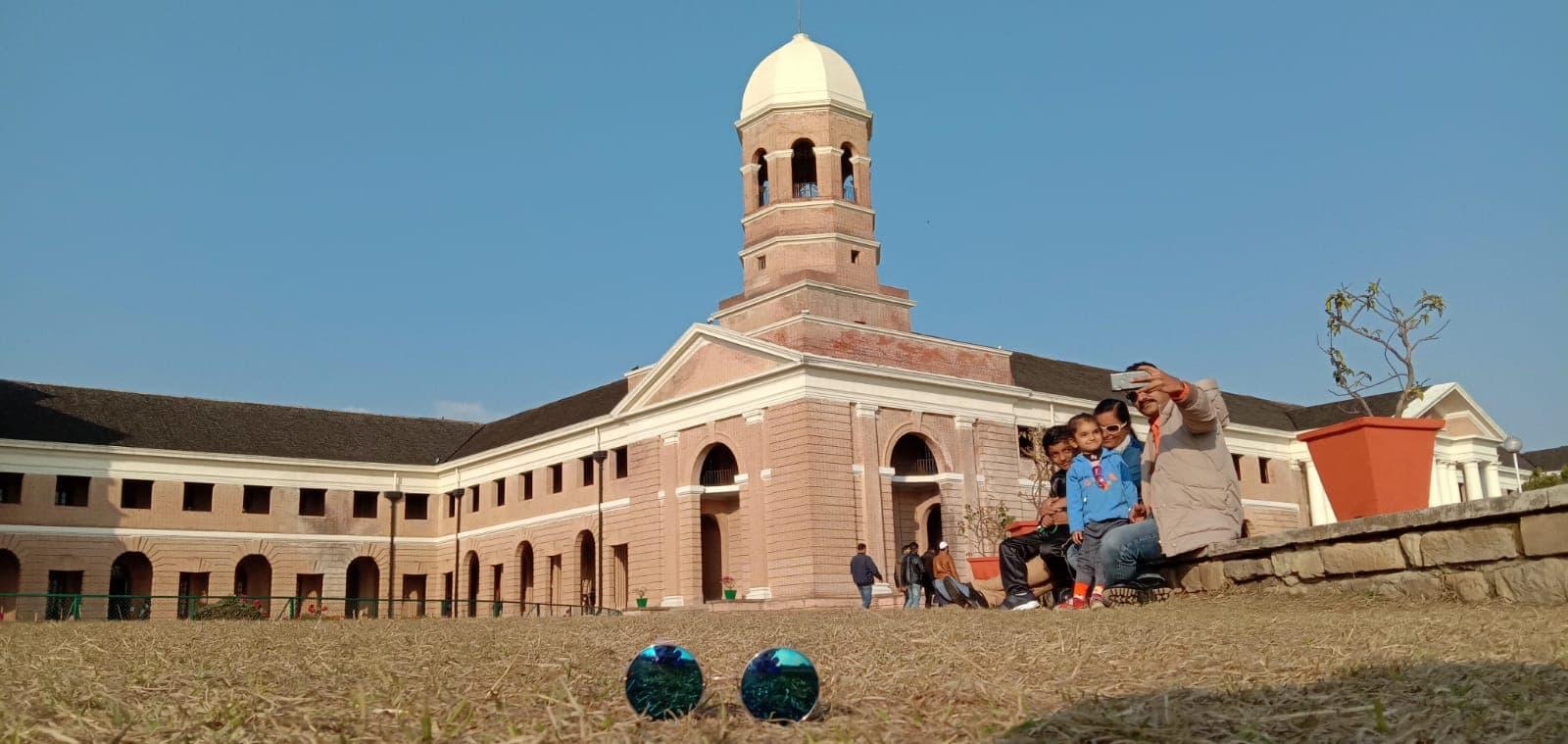
A 1920s Greco-Roman campus so vast and photogenic it doubles as a filmmaking location and a full morning of sightseeing: the grandest colonial architecture in Uttarakhand, with six forestry museums inside. Details in our places-to-visit guide.
6. The Indian Military Academy
Since 1932, every officer of the Indian Army has passed out of the IMA on Dehradun's western edge. Its passing-out parades are national news, and the academy gives the city its distinct fauji character.
FRI's endless colonnades: the valley's grandest claim to architectural fame. Photo: Khushbu Raj / Wikimedia Commons (CC BY-SA 4.0)
7. Robber's Cave & Sahastradhara
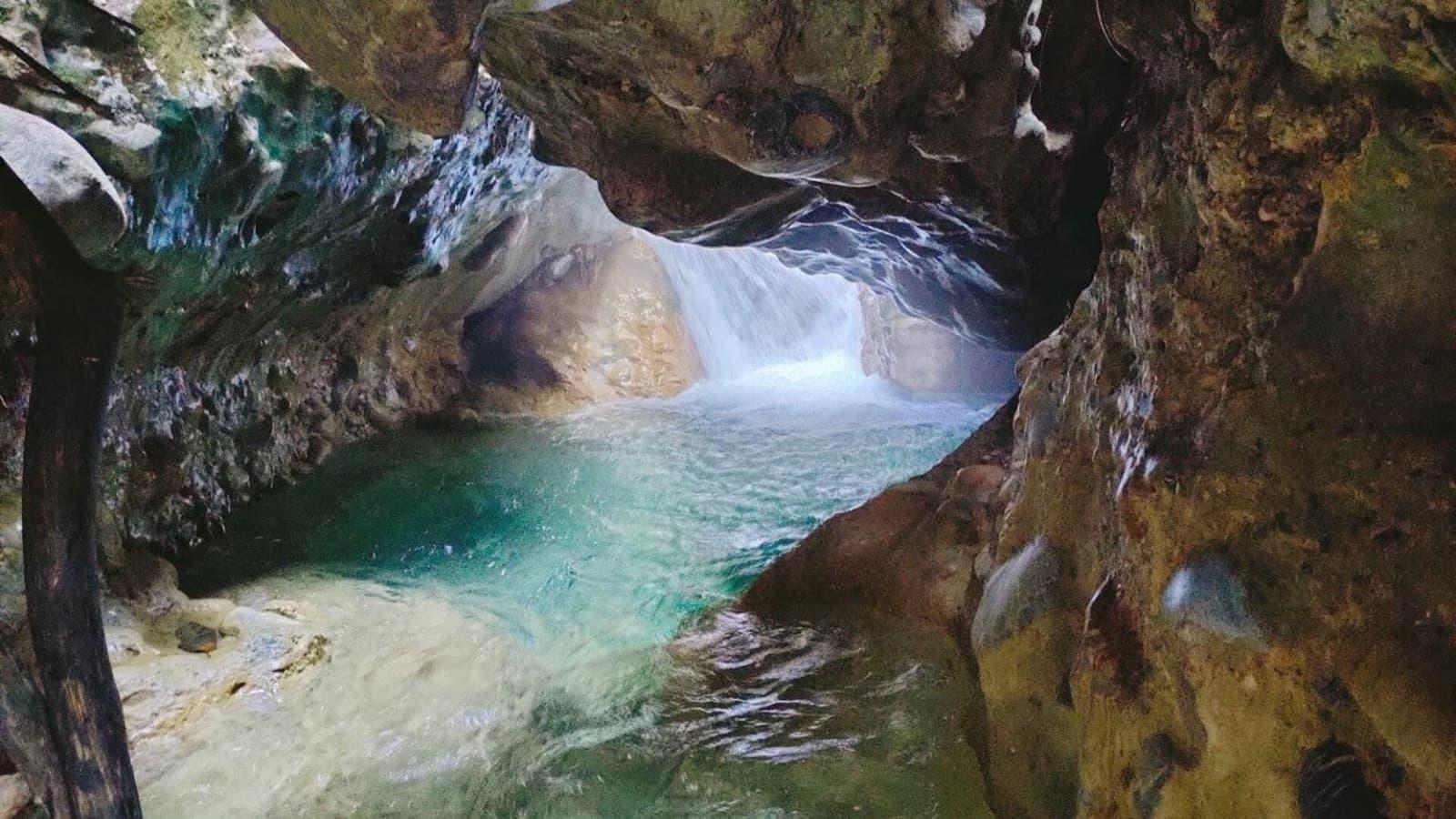
A river canyon you wade through barefoot and a thousand-spring sulphur hillside: Dehradun's two natural celebrities, both an easy hop from the city and both best before 11 a.m.
8. Gateway to Mussoorie & Rishikesh
The Queen of Hills is 35 minutes up one road; the yoga capital of the world is an hour down another. Dehradun is the basecamp both trips start from, which is exactly why we base our homestays here.
9. Ruskin Bond country
India's most beloved hill-station author grew up in Dehradun and has spent a lifetime writing the valley and its ridge into national memory. His books from a Rajpur Road bookshop remain the correct souvenir; the Mussoorie & Landour guide covers the pilgrimage.
10. Mindrolling Monastery
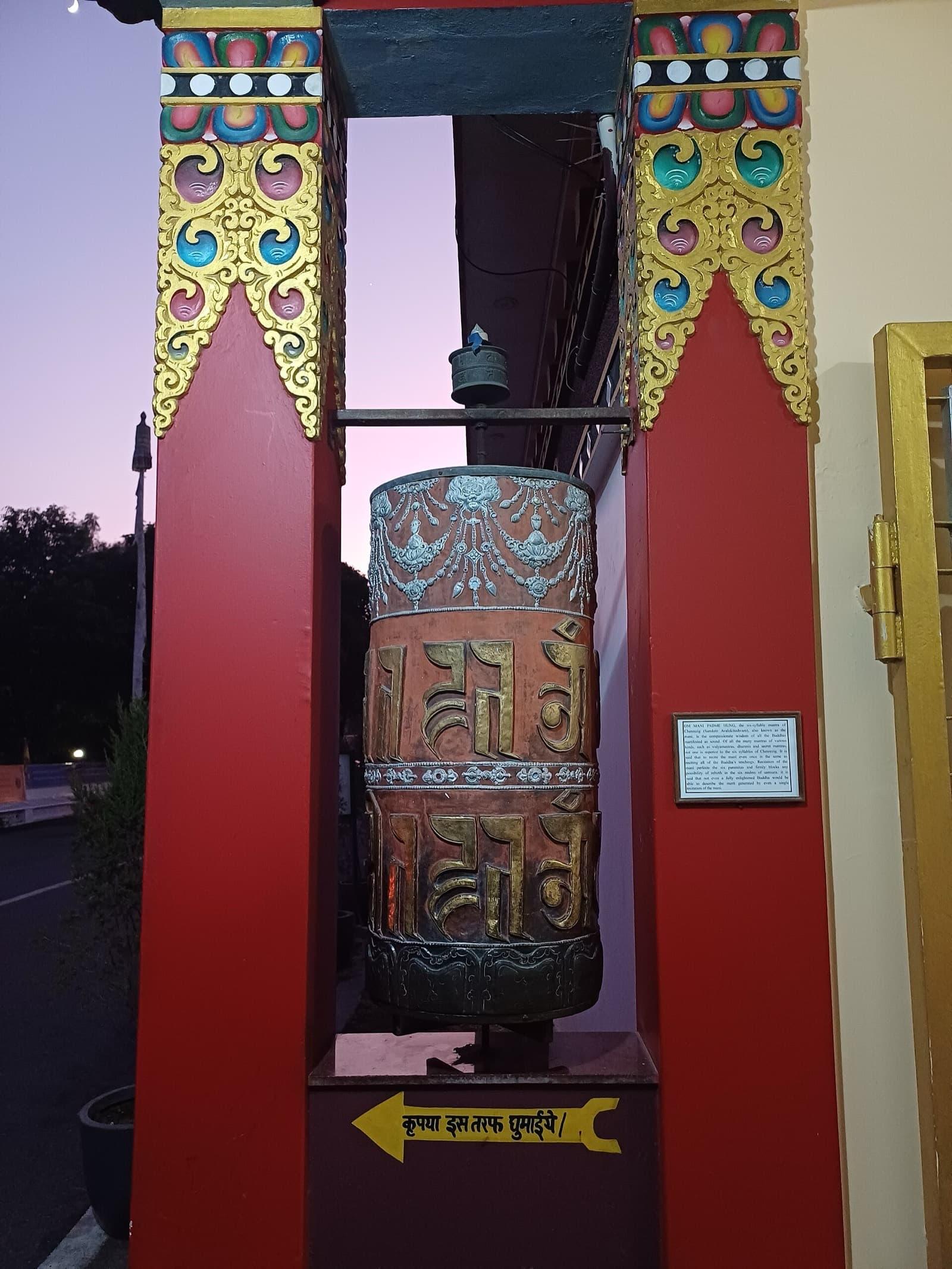
One of India's largest Buddhist centres rises from Clement Town in south Dehradun; the Great Stupa and its gardens are among the calmest places in the valley.
11. The café scene
Somewhere in the last decade Dehradun quietly built North India's best small-city café culture along Rajpur Road: Tibetan kitchens, garden courtyards, serious coffee. The café guide has the ten worth your time.
12. Momos & street food
The Tibetan settlement gave Dehradun a momo standard most Indian cities can't touch, and Paltan Bazaar's bun-tikki and chaat carts do the rest; the street-food guide lists what to eat and where.
That's the honest dozen: a valley famous for rice, rusk, schools, soldiers, springs and its front-row seat to the Himalaya. Curious how it all came to be? A short history of Dehradun tells the longer story.
Three things above all: Dehraduni basmati rice (long-grained, aged and aromatic, grown in the valley for generations), crisp bakery rusk from institutions like Ellora's, and the June litchi crop, plus a street-food scene of momos and bun-tikki that rivals much bigger cities.
Why is Dehradun called the school capital of India?
The valley's cool climate and quiet drew elite boarding schools from the colonial era onward: The Doon School (alma mater of prime ministers and writers), Welham Girls' and Welham Boys', St. Joseph's Academy and many more, giving Dehradun a reputation as India's school capital.
Is Dehradun worth visiting or just a stopover to Mussoorie?
It's worth real time of its own: the Forest Research Institute's colossal colonial campus, Robber's Cave's walk-in river canyon, Sahastradhara's spring terraces, Mindrolling Monastery and North India's best small café scene, with Mussoorie and Rishikesh each under an hour away when you're ready.
Written by Sanchit, founder & host at Starfish Homestays
Sanchit lives in Dehradun and runs all six Starfish homes. Every guide in The Doon Journal comes from hosting real guests in the valley and answering their questions on WhatsApp, week after week.
Coming to Dehradun?
Stay with the people who wrote this guide: six hand-styled homestays in Dehradun across Canal Road, Rajpur Road and the Mussoorie climb.
 · 25 August 2026 · 3 min read