FRI Museum Dehradun: The Museums Inside, Ticket Price, Timings and What Not to Miss
Most visitors photograph the colonnade at the Forest Research Institute and leave. The museums inside the main building are the part worth an extra hour: a 700-year-old tree you can read like a calendar, rooms of timber, insects and forest produce, and models that explain how an Indian forest works. Here is what each museum holds, what the ticket costs, when they are open and how to see them without rushing.
 Sanchit · Starfish Homestays · · 4 min read
In short
The Forest Research Institute's museums are inside its main building, opening off the brick arcades. FRI's own site lists five: Timber, Silviculture, Pathology, Entomology and Non-Wood Forest Products; many guides add a sixth, Social Forestry. Museum entry is ₹150 for Indian adults on top of the ₹100 gate fee, per FRI's visitor circular of May 2026. Visitors enter in two sessions, 10 am to 1:30 pm and 1:30 to 5 pm, every day, with no weekly closed day listed. Allow 60 to 90 minutes for the museums. Start with the Timber Museum and its cross-section of a deodar more than 700 years old.
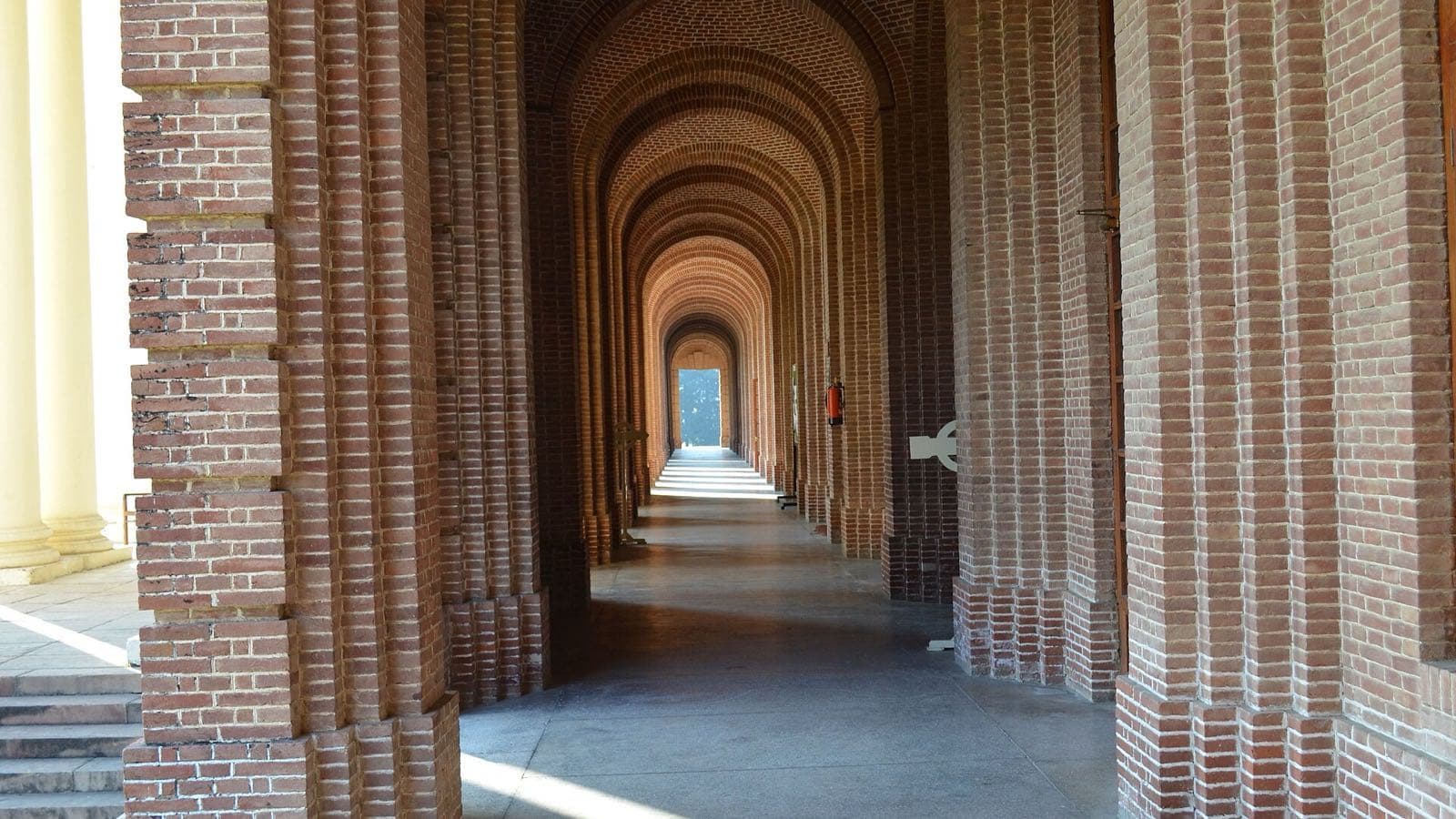
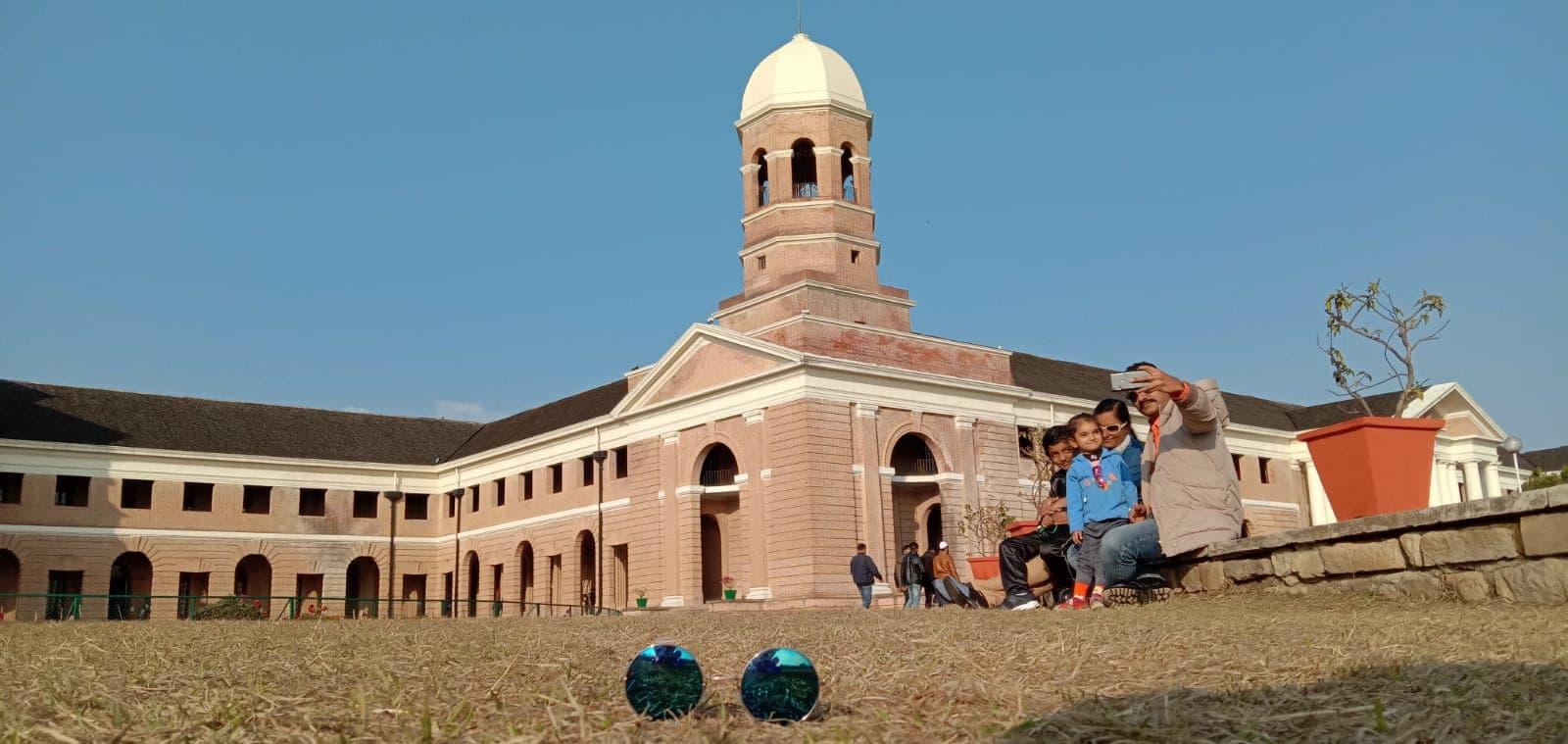
The Forest Research Institute is the most photographed building in Dehradun, and nine visitors in ten see only its outside. That is a pity, because the inside is where the place explains itself. FRI was founded in 1906 to study India's forests, and the museums in its main building are the working collections of that science, laid out in tall, quiet rooms off the brick arcades. This guide is about those rooms. For the campus, the architecture and how to get there, see our FRI visitor guide.
| Details | |
|---|---|
| Where | Inside the main building of the Forest Research Institute, Chakrata Road, Dehradun |
| Museum ticket | ₹150 for Indian adults, ₹1,500 for foreign adults, ₹30 school groups, ₹50 college groups |
| Gate entry (separate) | ₹100 per Indian visitor, ₹1,000 for foreign nationals, plus ₹50 to ₹150 for a vehicle |
| Timings | Two visitor sessions daily: 10:00 am to 1:30 pm and 1:30 to 5:00 pm |
| Closed | No weekly closed day is listed; closes at short notice for official events |
| Time needed | 60 to 90 minutes for the museums, two hours with the campus |
From FRI's official visitor circular, effective 25 May 2026, checked November 2026. The gate fee is charged per session. Confirm on FRI's website before a special trip.
The museums, one by one
Timber Museum
The one to see first. Its centrepiece is a great disc cut from a deodar more than 700 years old, with labels pinned to its growth rings marking what was happening in history as each ring formed. Around it are polished panels and logs of India's commercial timbers, teak, sal, sheesham, deodar and dozens more, so you can see and touch the difference between them, and displays on how wood is seasoned, treated and used. Children understand this room immediately.
Silviculture Museum
Silviculture is the craft of growing and tending forests, and this room explains it with models and dioramas: the forest types of India from Himalayan conifer to mangrove, how a stand is thinned and regenerated, and what erosion does to a bare hillside. It is the best single explanation of why the hills around Dehradun look the way they do.
Pathology Museum
A collection of what goes wrong with trees: hundreds of specimens of wood attacked by fungi, rots, cankers and parasites, each labelled with its cause. Stranger and more beautiful than it sounds, especially the bracket fungi.
Entomology Museum
Cases of the insects that live on and in India's trees, with the damage they do shown alongside: bored timber, galleries under bark, stripped leaves. The scale of the collection is the point, built up by foresters over more than a century. A good room for older children.
Non-Wood Forest Products Museum
Everything a forest yields besides timber: resins and gums, bamboo and cane, lac, katha, tans and dyes, essential oils, medicinal plants and fibres. It is the museum that connects most directly to the bazaars, since much of what is displayed here is still sold in Paltan Bazaar.
Social Forestry Museum
Listed by many guides as the sixth museum, this section covers the relationship between forests and village life: fuel, fodder, farm forestry and conservation. FRI's own website currently names five museums and does not list it separately, so treat it as a bonus if it is open on the day.
How to see them
- Buy the museum ticket as well as the gate ticket. They are separate. Ask at the gate where the museum counter is on the day, and carry cash and UPI.
- Arrive for the start of a session. The gate fee covers one session, so coming at 10 am or 1:30 pm gives you the full three and a half hours.
- Do the museums first, the lawns second. The rooms are cool and empty early; the lawn photographs are just as good at noon.
- Start with Timber, then choose. Most visitors manage three museums well. Timber, Silviculture and Non-Wood Forest Products make the best trio.
- Ask before photographing inside. The circular lists no camera fee, but rules inside the galleries are set by the staff on duty.
- Allow for a closure. FRI shuts to visitors for convocations, VIP visits and elections, sometimes with a day's notice. Notices go on its homepage.
With children
FRI is one of the easiest outings in Dehradun with children: flat, shaded, safe and with space to run. Inside, keep it to the Timber Museum and the Entomology Museum, half an hour in all, and let the lawns do the rest. School groups pay a reduced museum fee. Our things to do in Dehradun with kids guide has more ideas for the same day.
Getting there
FRI is on Chakrata Road, about 7 km west of the Clock Tower. From our homes on Canal Road and Rajpur Road allow 25 to 35 minutes by car or cab, a little longer in the morning school rush. Cars pay a small entry charge and park inside the campus. The getting around Dehradun guide explains cabs, autos and Vikrams if you are not driving.
Staying a few days? Check live availability at our homes and message us on WhatsApp. We will tell you if FRI has posted a closure for your dates.
Fees and timings are from FRI's visitor circular effective 25 May 2026. Museum displays are rearranged from time to time, and individual galleries can be closed for maintenance.
Where to stay for this
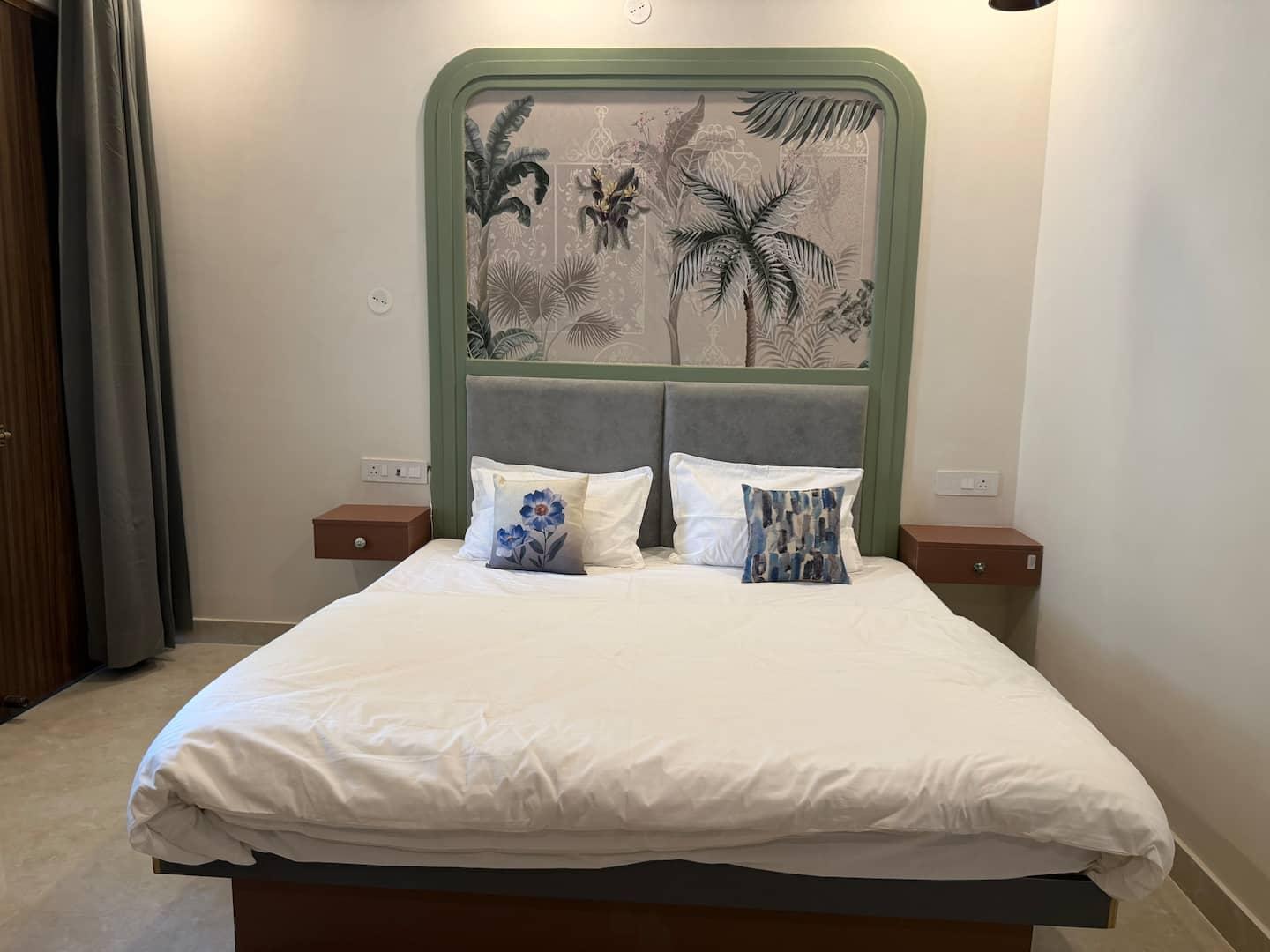
Boho 2BHK
Canal Road · sleeps 4 · from ₹5,100/night
Canal Road, about 25 to 30 minutes from FRI, with two king bedrooms for a family visit.
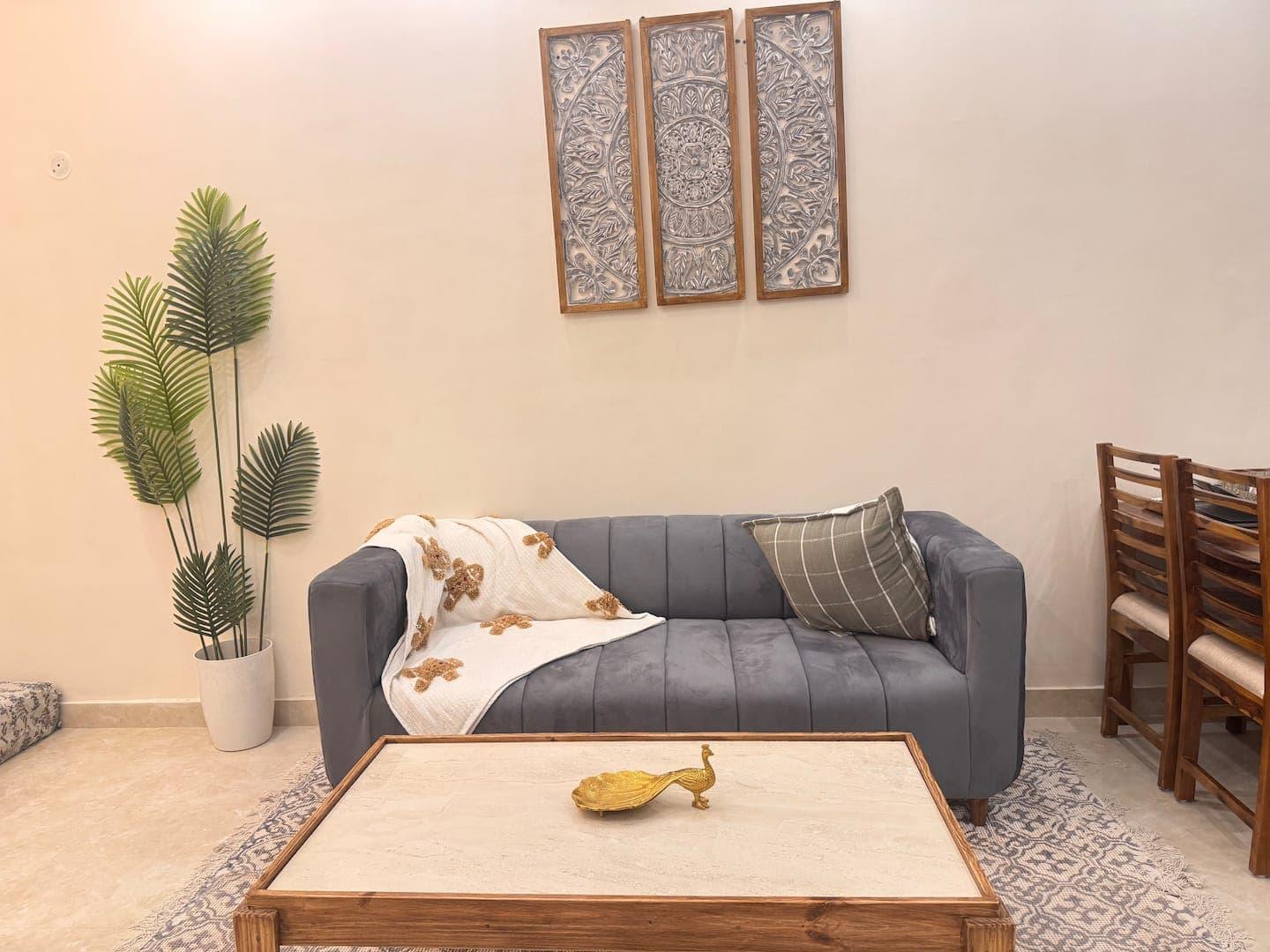
Mandala 1BHK on Canal Rd
Canal Road · sleeps 4 · from ₹4,018/night
A calm one-bedroom on Canal Road, an easy morning drive to FRI before the day warms up.
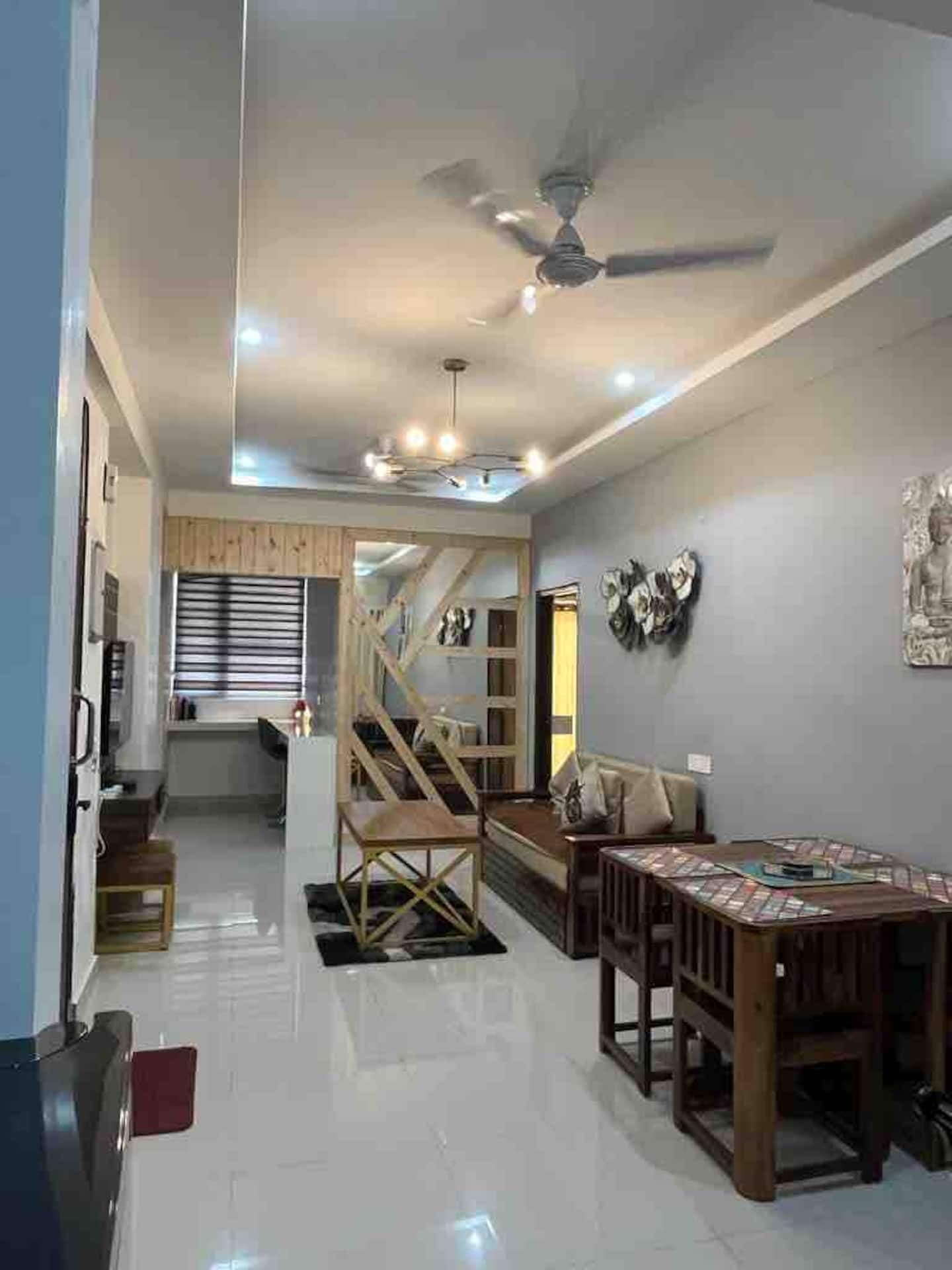
Doon Valley 1BHK
Rajpur / Malsi · sleeps 4 · from ₹2,100/night
On the Rajpur Road side for cafés after the visit, and pet-friendly.
Quick answers
- What is the FRI museum ticket price?
- Museum entry is ₹150 for Indian adults and ₹1,500 for foreign adults, with ₹30 for school groups and ₹50 for college groups. That is in addition to the gate fee of ₹100 per Indian visitor (₹1,000 for foreign nationals) and a vehicle charge. These figures are from FRI's official visitor circular effective 25 May 2026; older prices quoted online predate it.
- What are the FRI museum timings?
- The campus admits visitors in two sessions, 10:00 am to 1:30 pm and 1:30 to 5:00 pm, and the museums are open within those hours. The circular lists no separate museum timings and no weekly closed day. FRI does close at short notice for convocations and official events, so check its website before a special trip.
- How many museums are there in FRI Dehradun?
- FRI's own website lists five: Timber, Silviculture, Pathology, Entomology and Non-Wood Forest Products. Tourism guides commonly count six by adding a Social Forestry museum. They are all in the main building and one museum ticket covers them.
- Which is the best museum in FRI?
- The Timber Museum. Its centrepiece is a cross-section of a deodar tree more than 700 years old, with historical events marked against the growth rings, alongside polished samples of India's commercial woods. If you only have twenty minutes, spend them here.
- How much time do the FRI museums take?
- About 60 to 90 minutes for all of them at an easy pace, or 30 minutes for the Timber Museum and one other. Add an hour for the colonnades and lawns. With children, plan on the Timber and Entomology museums and skip the rest.
Written by Sanchit, founder & host at Starfish Homestays
Sanchit lives in Dehradun and runs all six Starfish homes. Every guide in The Doon Journal comes from hosting real guests in the valley and answering their questions on WhatsApp, week after week.
Coming to Dehradun?
Stay with the people who wrote this guide: six hand-styled homestays in Dehradun across Canal Road, Rajpur Road and the Mussoorie climb.
Share this guide on WhatsApp →