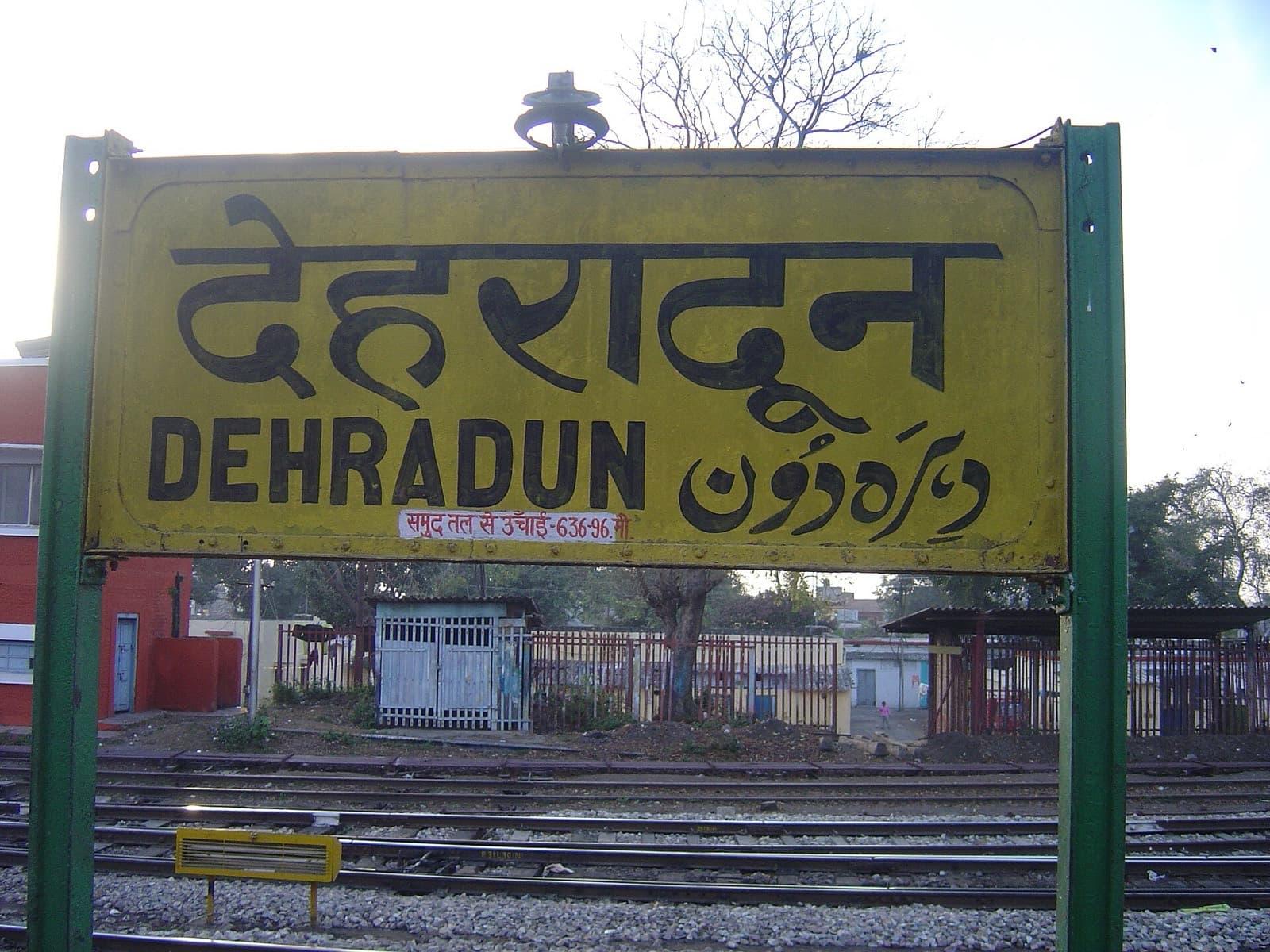
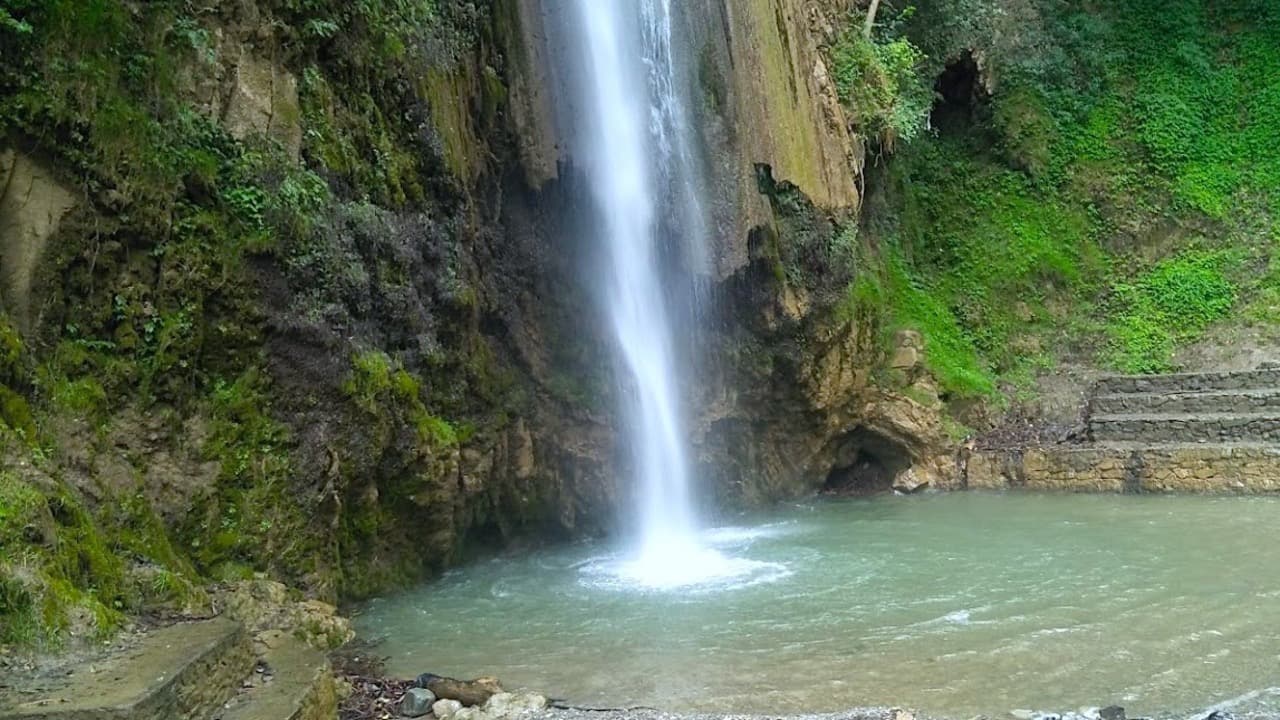
When to come, how to arrive, what to pack, and the small local wisdom, like why you leave for Mussoorie at 8 a.m. sharp, that turns a good Dehradun trip into a great one.
Sanchit · Starfish Homestays · 19 May 2026 · Updated 25 August 2026 · 3 min read
In short
Before you come to Dehradun: the best windows are March-June and September-November, leave for Mussoorie by 8 a.m. sharp, pack one layer more than the plains suggest, UPI works everywhere but carry a little cash for the bazaar, and book weekend stays well ahead; the valley fills up fast.
Dehradun rewards the slightly-prepared traveller. It's an easy, friendly city, but a handful of local facts will save you hours in traffic, a soggy afternoon, and at least one overpriced cab. Here's the briefing we give every guest before they arrive at our homestays.
1. The best months are March-June and September-November
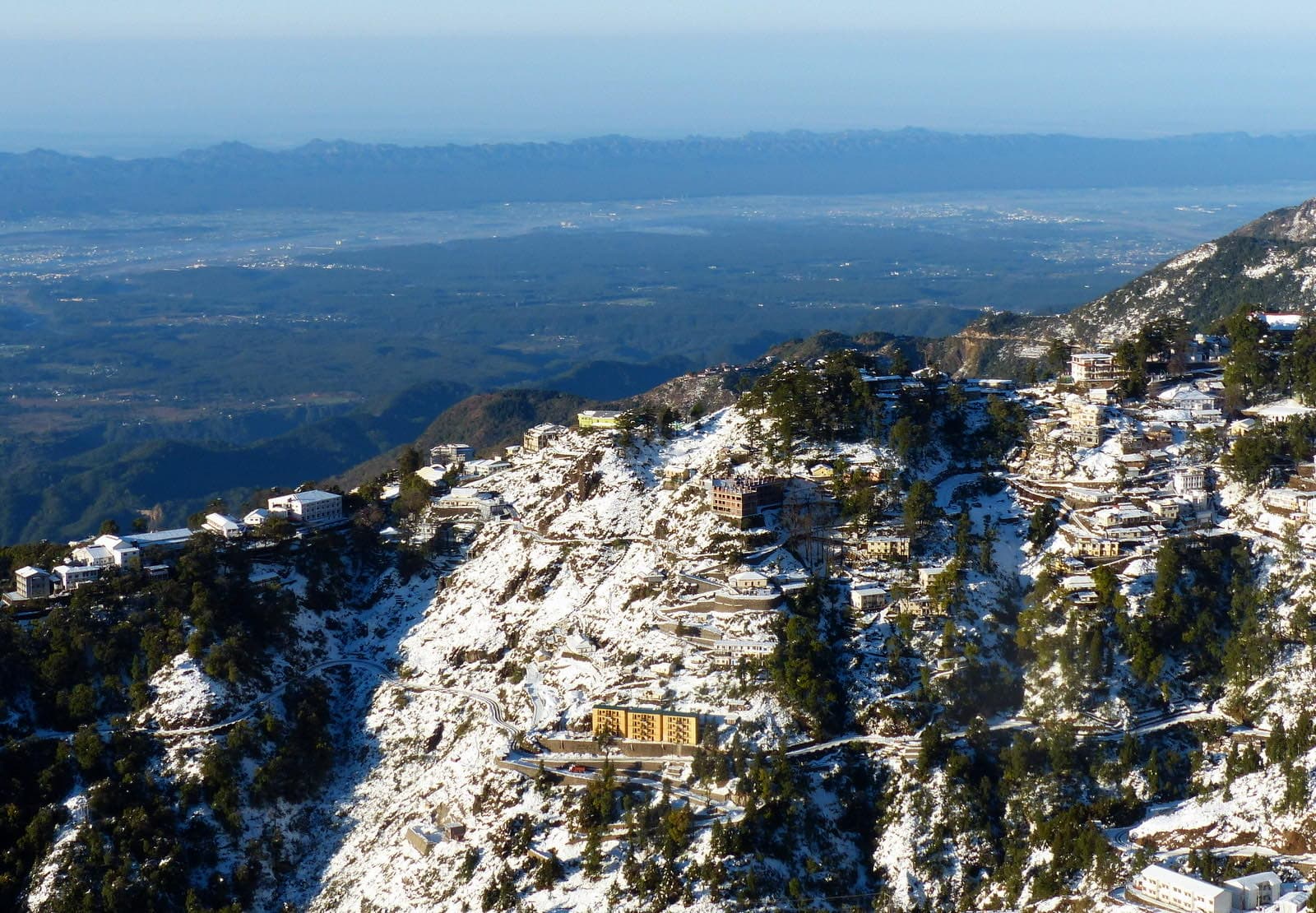
Spring brings blossom and crisp mornings; early summer is when the plains bake and Doon stays pleasant (peak season for a reason). Post-monsoon autumn is the connoisseur's pick: washed skies, green hills, fewer crowds. Winter (December-February) is cold but blue-skied and beautiful, especially if Mussoorie gets snow.
2. Respect the monsoon
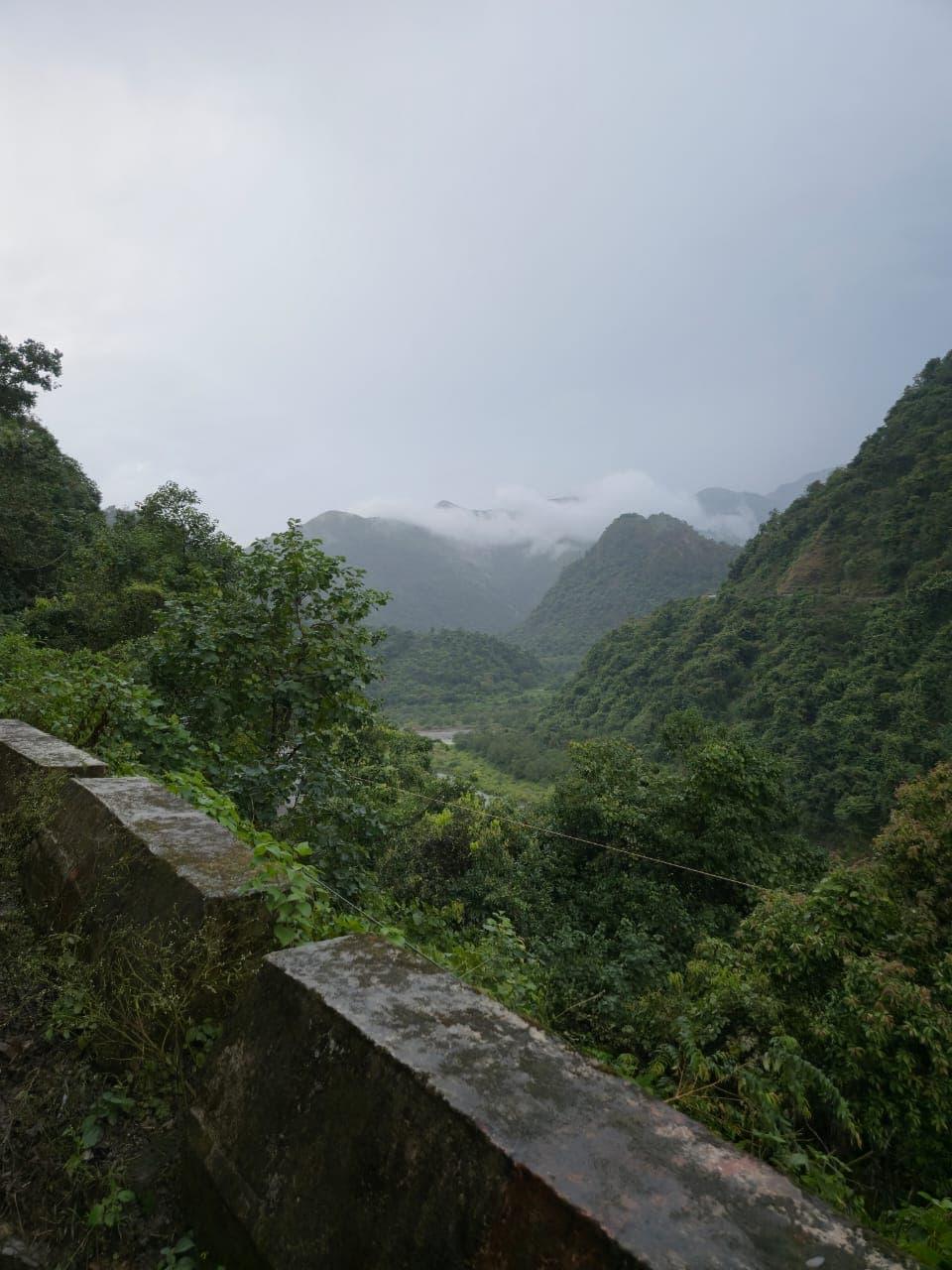
July and August are dramatic: the Doon valley records some of the heaviest rain in India. It's gorgeous and green, but plan indoor mornings, carry proper rain gear, and keep hill drives flexible since the Mussoorie road occasionally closes for slips.
3. Getting here is easier than ever
By train: the Vande Bharat does Delhi-Dehradun in about 4.5 hours; the overnight Nanda Devi Express saves a hotel night.
By air: Jolly Grant Airport (DED) is ~45 minutes from town with frequent Delhi flights and direct connections from several metros.
By road: the Delhi-Dehradun drive runs 5-6 hours today via NH307/NH7, with the new expressway shrinking it further as sections open. Leave Delhi by 6 a.m. and you'll be having lunch on Rajpur Road.
4. Leave for Mussoorie early, really early
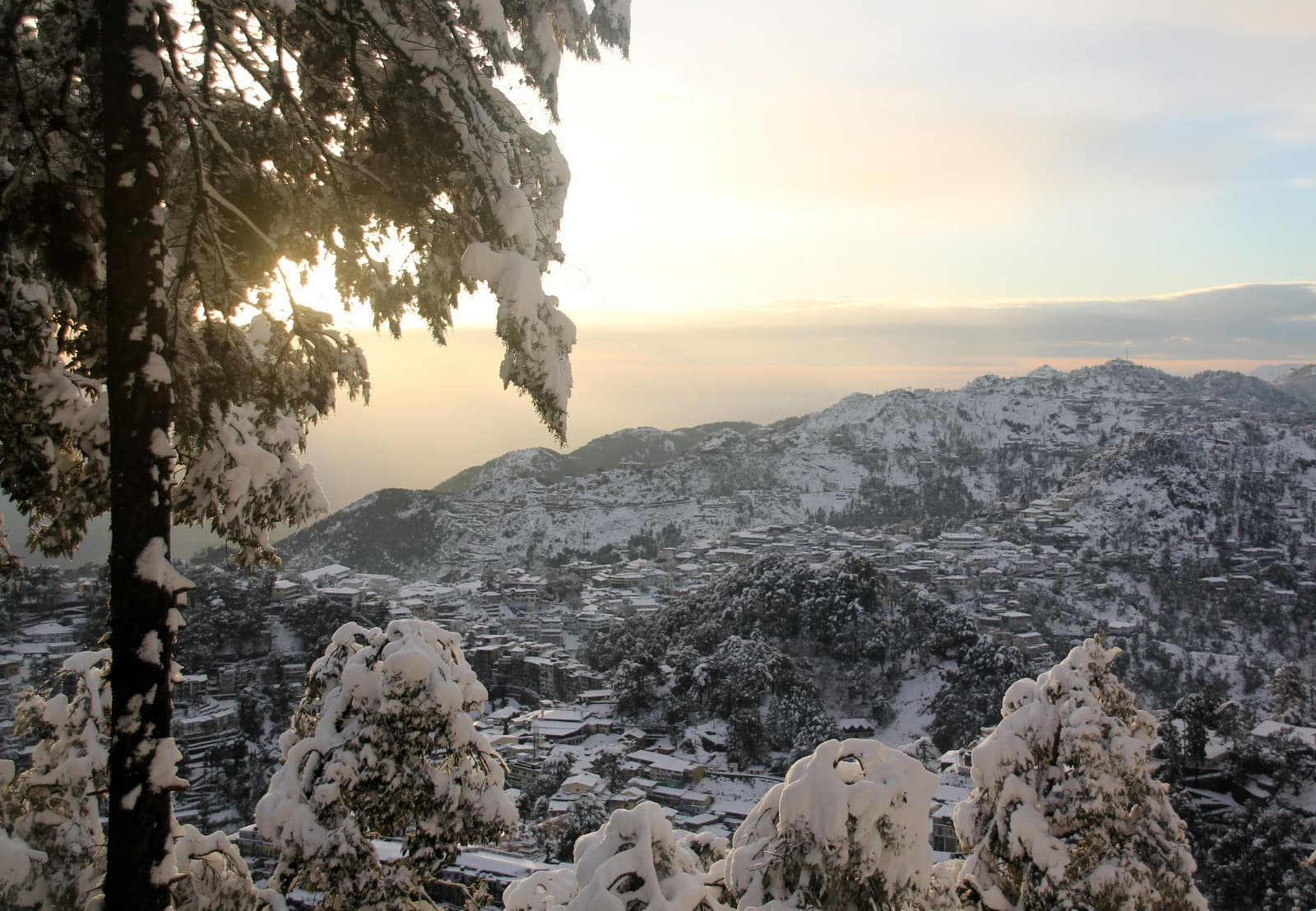
The single most repeated advice we give: on weekends the Mussoorie road jams by mid-morning. Leave Dehradun by 8 a.m., beat the queue at the toll, and you'll be sipping coffee on Mall Road while the 11 a.m. crowd sits in traffic at Kuthal Gate. Better yet, stay on the climb itself at Mountain View Studio and start ahead of everyone.
The reward for an early start. Photo: Meerah Dhiman / Wikimedia Commons (CC BY 4.0)
5. Pack one layer more than the plains told you
Doon sits at ~650 m and evenings run several degrees cooler than Delhi; lovely, but it surprises summer visitors. A light jacket year-round; proper warm layers November-February; quick-dry shoes if Sahastradhara or Robber's Cave is on your list (it should be).
6. UPI rules, but carry a little cash
Every café and cab takes UPI. The exceptions are exactly the good bits: chai stalls, parking attendants, temple offerings and hillside Maggi points. Keep ₹500 in small notes and you're covered.
7. Distances are short; traffic windows matter
Almost everything in the city is 15-30 minutes apart, outside of school-run hours (8-10 a.m., 2-4 p.m.) and the evening Rajpur Road crawl. Plan sightseeing in the morning, café time in the late afternoon, and you'll never feel the traffic.
8. Book weekend stays well ahead
Dehradun is Delhi's favourite quick escape. Good homestays sell out for Friday-Sunday, long weekends vanish weeks out, and the Feb-June wedding-and-boards season adds local demand. Our live availability calendars show exactly what's open; most guests book the moment they spot a free weekend.
9. Eat like Doon, not like Delhi
The valley's signatures are worth seeking out: momos and thukpa from the Tibetan kitchens, bun-tikki near the Clock Tower, Garhwali thalis if you find them, and the famous Doon basmati in any good biryani. Our full café crawl is mapped in 10 lovely cafés of Dehradun.
10. The valley is the destination, not a transit stop
Most travellers treat Dehradun as a doorway to Mussoorie or Rishikesh. Give it two full days and it repays you: colonial avenues at FRI, cave streams, monastery gardens, forest walks. Start with our guide to the best places to visit in Dehradun.
Quick answers
What is the best time to visit Dehradun?
March to June and September to November are the sweet spots: mild days, clear views and every activity open. Monsoon is beautiful but wet; winter is crisp and quiet with snow an hour uphill.
Do I need cash in Dehradun?
UPI rules almost everywhere, from cafés to chai stalls, but carry a little cash for bazaar stalls, parking and the odd auto. ATMs are plentiful in the city if you run short.
How many days do you need in Dehradun?
Two days for the city's essentials, three if you add a Mussoorie or Rishikesh day trip. And the valley rewards slower stays; plenty of guests come for a weekend and extend.
Written by Sanchit, founder & host at Starfish Homestays
Sanchit lives in Dehradun and runs all six Starfish homes. Every guide in The Doon Journal comes from hosting real guests in the valley and answering their questions on WhatsApp, week after week.
Coming to Dehradun?
Stay with the people who wrote this guide: six hand-styled homestays in Dehradun across Canal Road, Rajpur Road and the Mussoorie climb.
 · 19 May 2026 · Updated 25 August 2026 · 3 min read