Dehradun Through the Year: Weather, Seasons & the Best Time to Visit
Blossom springs, monsoon drama, snow on the Mussoorie ridge and crystal autumn skies: a month-by-month guide to the Doon valley's weather, and exactly what to pack for each one.
Sanchit · Starfish Homestays · 14 June 2026 · Updated 28 July 2026 · 3 min read
In short
The best time to visit Dehradun is spring (March-April) and autumn (September-November): 20-30°C days, clear Himalayan views and green valleys. Summer stays cooler than the plains, monsoon (July-August) is lush but wet, and winter (December-February) brings crisp 18-22°C afternoons with snow an hour up the hill in Mussoorie and Dhanaulti.
Sitting at roughly 650 metres between the Shivaliks and the high Himalaya, Dehradun has one of the kindest climates in North India: never as brutal as the plains, never as harsh as the high hills. But each season has its own personality, and knowing them turns a good trip into a perfectly-timed one. Here's the Doon year as the locals live it.
Spring (March-April): the sweet spot
Arguably the best time to come. Days are warm and clear (roughly 25-32°C), nights cool, and the valley blooms: jacaranda, bougainvillea and litchi blossom everywhere. Mountain views are sharp before the summer haze. Perfect for everything: FRI lawns, Robber's Cave, the Mussoorie ridge, long café afternoons.
Summer (May-June): warm valley, cool escapes
While Delhi and the plains cross 44°C, Dehradun stays markedly gentler, typically high-30s at peak, dropping pleasantly at night. This is peak escape season: NCR families and remote workers pour in for the cooler air. Mid-days can get warm, so do sightseeing early, café-hop in the afternoon, and drive up to Mussoorie (10°C cooler) when the valley heats up.
This is also the season to book ahead
Summer weekends and school holidays sell out fast. Our live availability calendars show what's open in real time; most summer guests book the moment they spot a free slot.
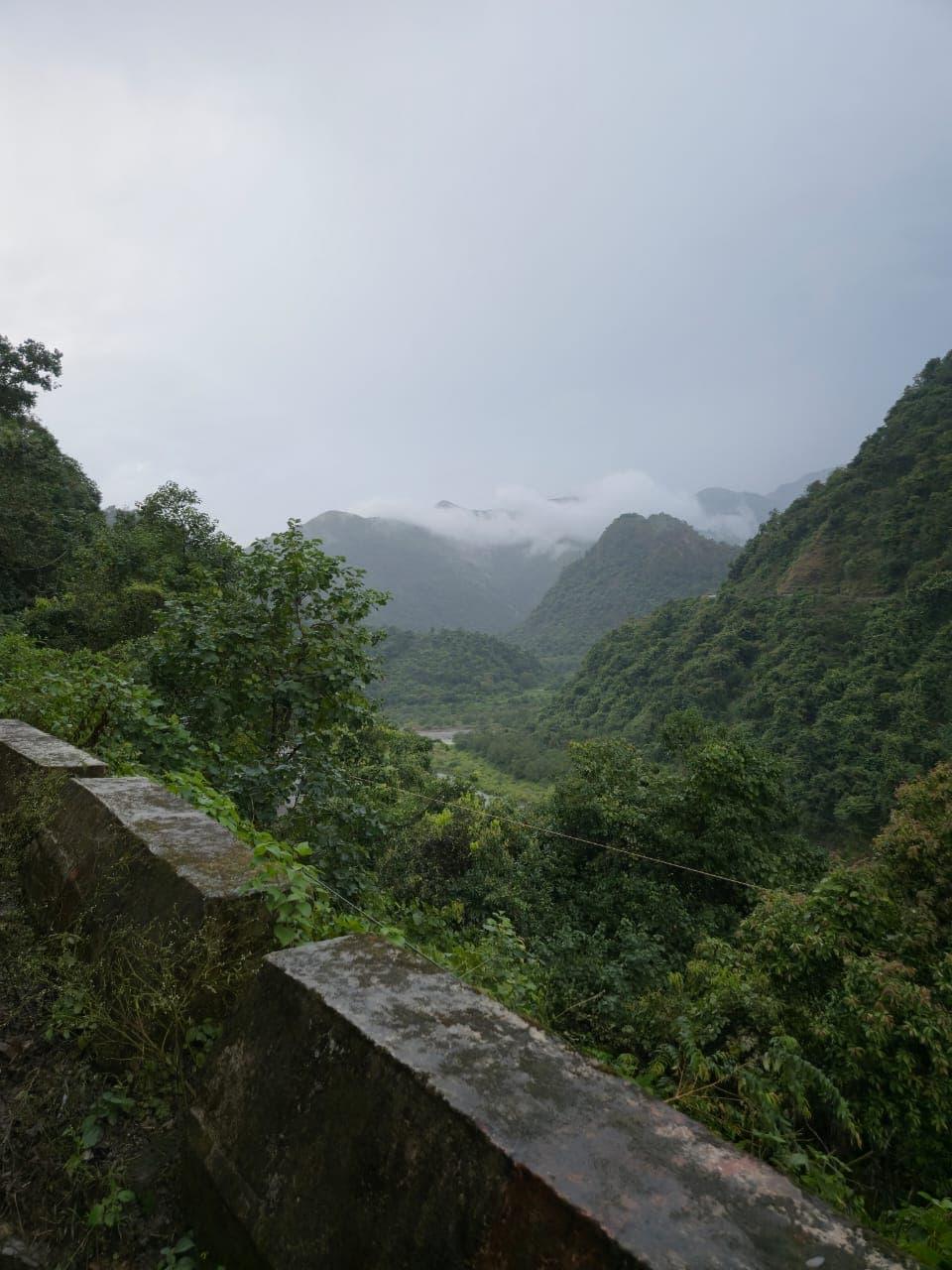
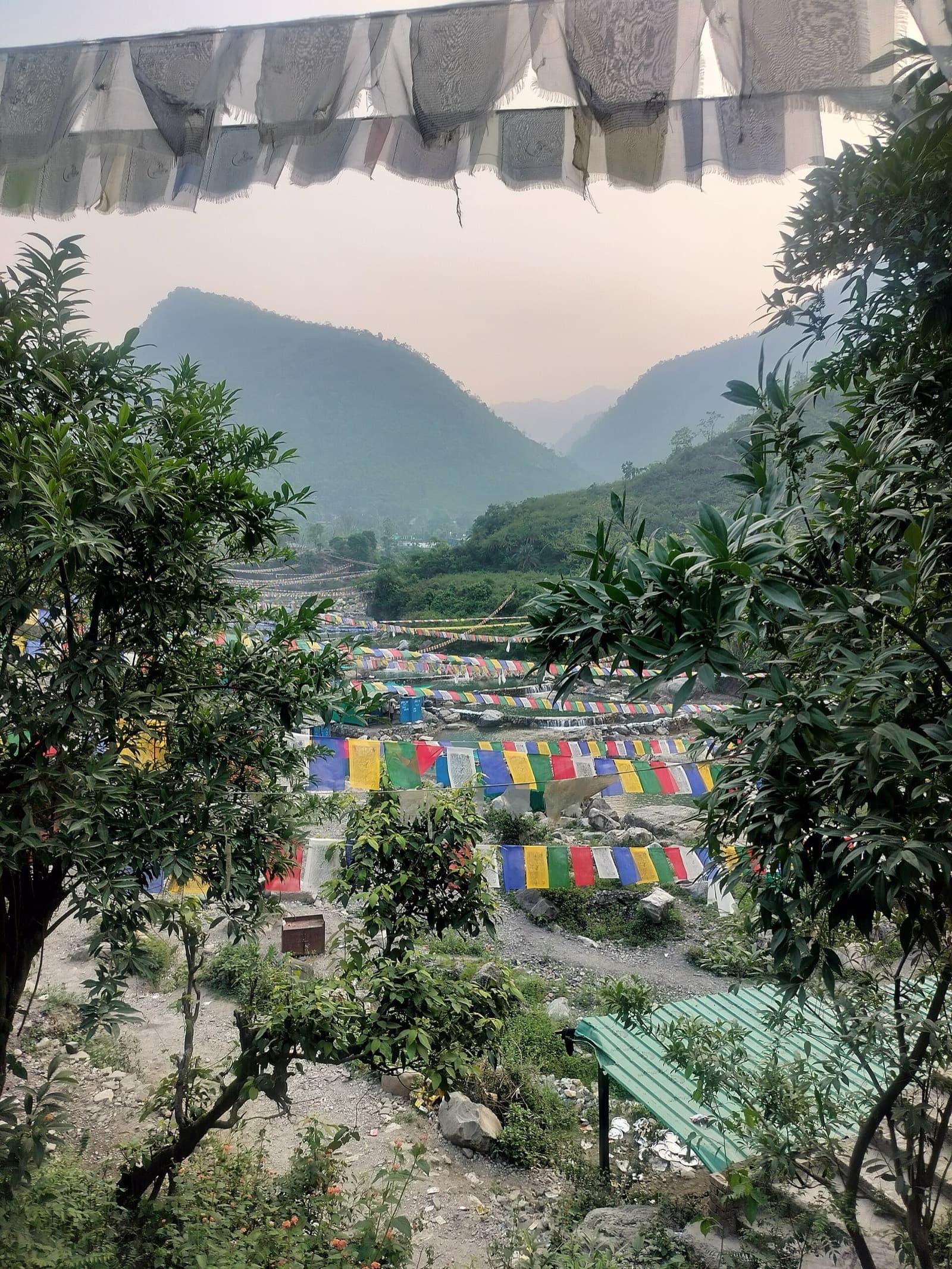
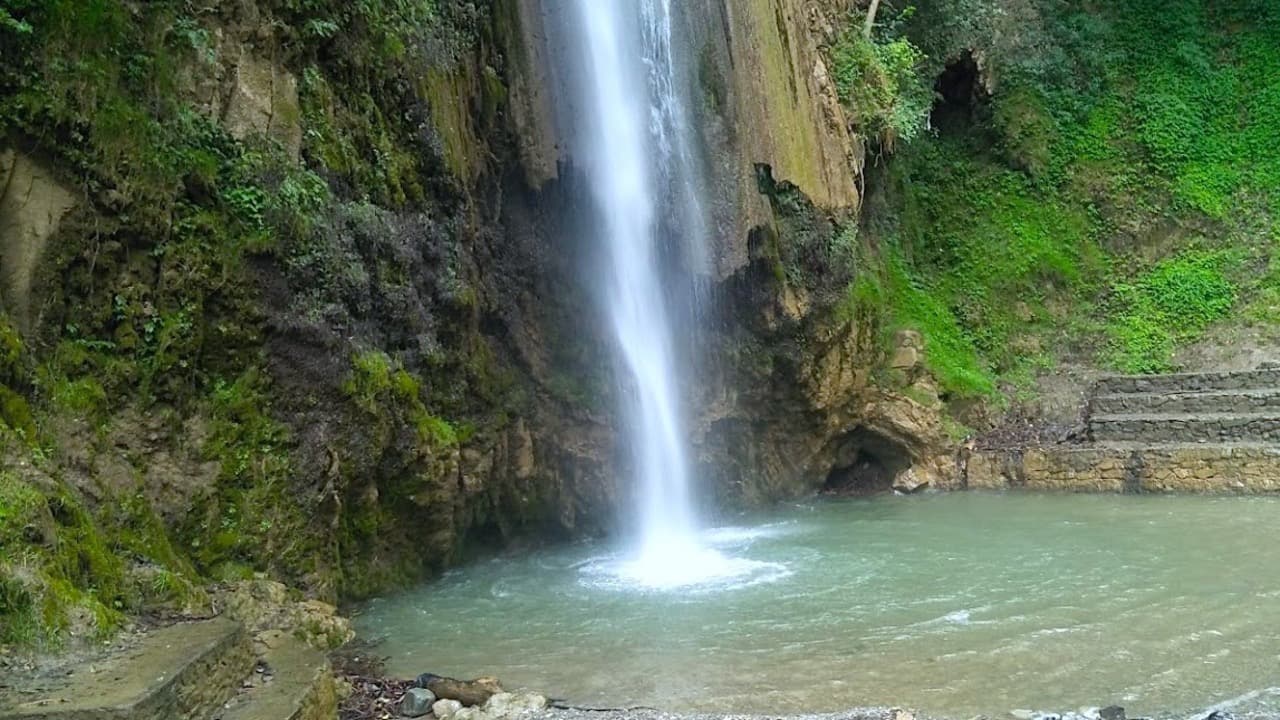
The Doon valley catches some of the heaviest rain in India, and it's a spectacle: the hills turn impossibly green, waterfalls roar, and the air smells of wet earth and pakoras frying. It's the romantic, low-crowd, low-price season if you love rain. The trade-offs are real though: plan indoor mornings, keep Mussoorie drives flexible (the road occasionally closes for slips), and avoid riverbeds and Robber's Cave during heavy spells.
Monsoon swells the valley's springs and falls. Photo: Nitin Maletha / Wikimedia Commons (CC BY-SA 4.0)
Autumn (September-November): the connoisseur's season
Our personal favourite. The monsoon washes the sky clean, the crowds thin, and the temperatures settle into perfection (pleasant days, crisp evenings). Himalayan views are at their clearest of the year. If you want that postcard snow-line panorama from Lal Tibba, come now. Festival season adds colour, and the litchi-and-mango heat is a memory.
Winter (December-February): crisp, blue and quiet
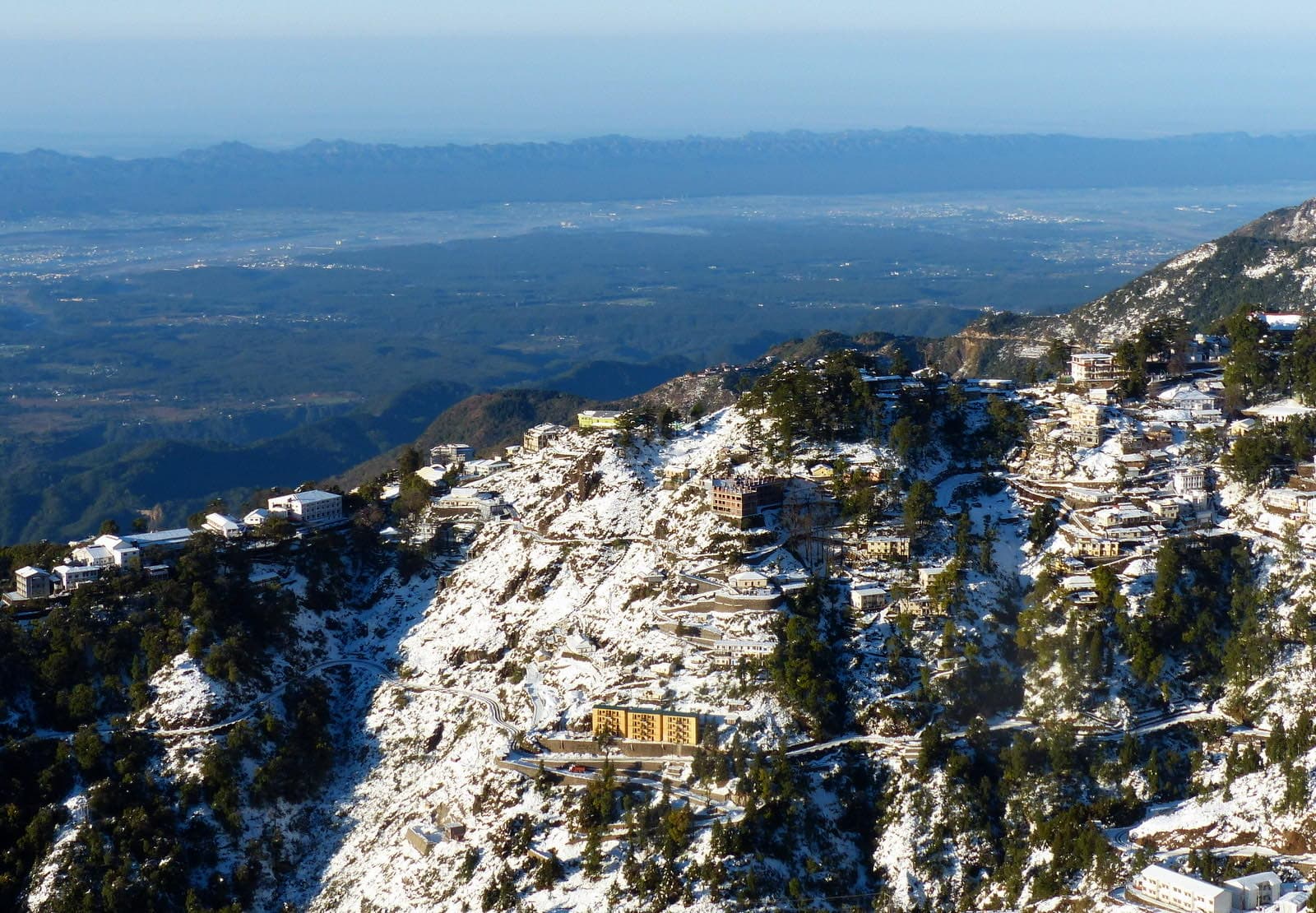
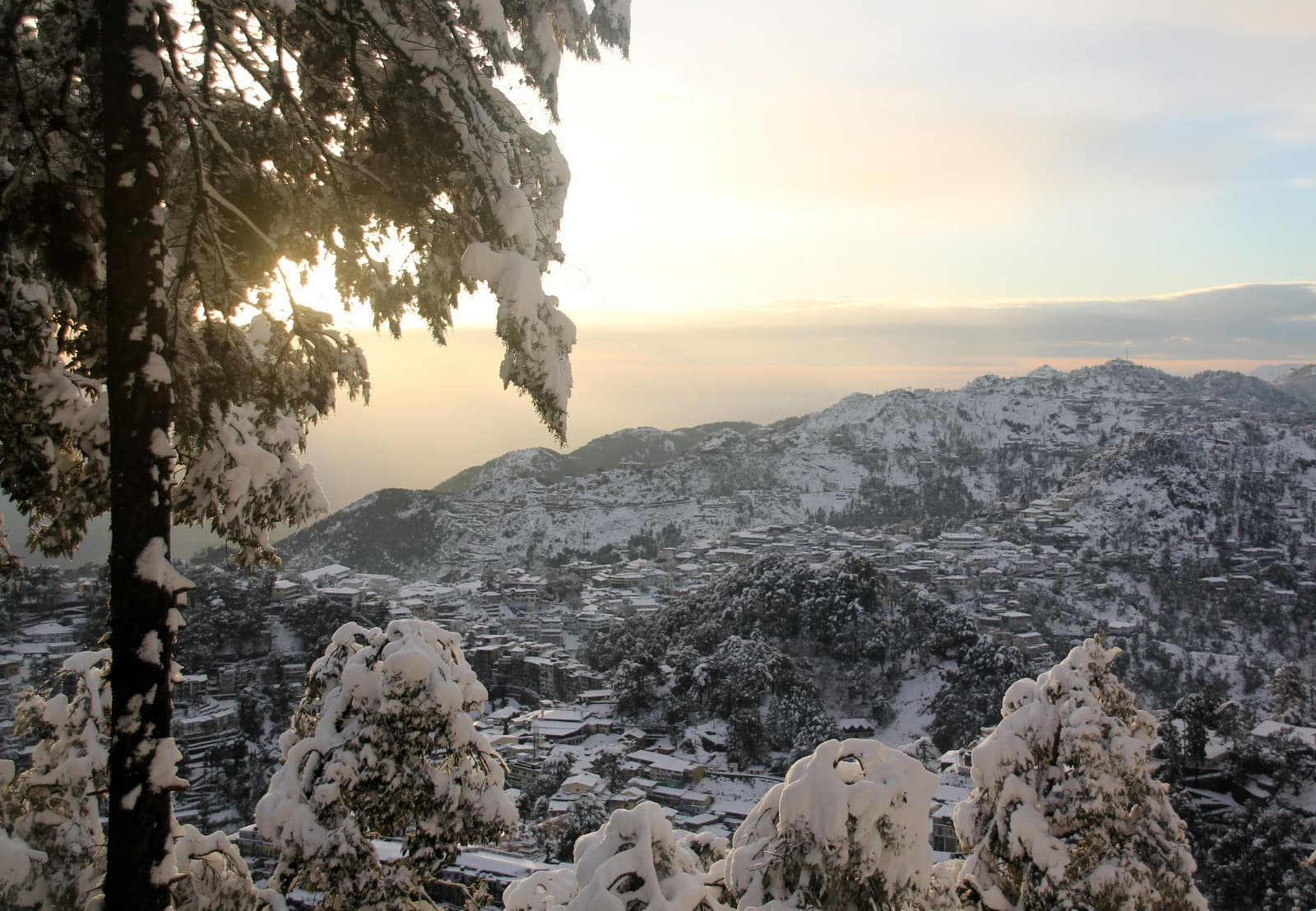
Cold but rarely harsh in the valley: sunny blue days around 15-20°C, nights dropping near or below 5°C. The magic is up top: when Mussoorie gets snow (usually January), Doon becomes the perfect warm base for a snow day trip without sleeping in the freeze. Fewer tourists, cosy café fires, and the clearest air for mountain photography.
So, when should you come?
For the best all-round weather: March-April (spring) or September-November (autumn).
To escape the plains' heat: May-June, just book early.
For green, romance and low prices: July-August monsoon, if rain delights rather than annoys you.
For snow day-trips and crisp blue skies: December-February.
For the clearest Himalayan views: post-monsoon October.
The honest answer
There's no bad time to be in the Doon valley, only different ones. Whenever you come, base yourself in a comfortable home, eat your way through our street-food guide, and day-trip to Mussoorie and Rishikesh. Check live dates on our six stays and message us on WhatsApp. Tell us your travel month and we'll tell you exactly what to expect and pack.
Quick answers
Which month is best to visit Dehradun?
March, April, October and November are Dehradun's best months: mild 20-30°C days, low rain and the clearest mountain views. October after the monsoon is arguably the single best month, when the valley is green and the skies are washed clean.
Does it snow in Dehradun?
No. Dehradun sits at about 650 m, so the city itself doesn't get snow. But snow falls a short drive up: Mussoorie sees occasional snowfalls between late December and February, and Dhanaulti (90 minutes further) gets dependable snow most winters.
Is monsoon a bad time to visit Dehradun?
Not if you like atmosphere. July-August turns the valley intensely green with dramatic clouds, and rates are lower. Expect heavy showers most days, plan indoor mornings and flexible driving, and avoid it if hill drives to Mussoorie are the main goal.
Written by Sanchit, founder & host at Starfish Homestays
Sanchit lives in Dehradun and runs all six Starfish homes. Every guide in The Doon Journal comes from hosting real guests in the valley and answering their questions on WhatsApp, week after week.
Coming to Dehradun?
Stay with the people who wrote this guide: six hand-styled homestays in Dehradun across Canal Road, Rajpur Road and the Mussoorie climb.
 · 14 June 2026 · Updated 28 July 2026 · 3 min read